
Your Cart Is Our Priority
Explore our store to see what our products and resources can do for you.

TL;DR:
- The dealer golf cart parts return process is time-sensitive and requires careful adherence to vendor policies.
- Proper procedures include obtaining an RMA, returning unused parts in original packaging, and tracking shipments to avoid fees and delays.
The dealer golf cart parts return process is a structured, time-sensitive procedure. Get it wrong and you’re looking at refused shipments, forfeited credits, and restocking fees that eat into your margins. Get it right and returns become a routine part of running a clean operation.
Here’s what every dealer needs to know upfront:
Most vendors set a 30-day return window from the invoice or delivery date for standard parts. Damage or shortage claims carry a tighter deadline: dealers must report those within 2 business days of receipt. Missing that window typically voids the claim entirely.
Condition requirements are strict. Parts must be unopened, unused, and returned complete with every kit component in the original packaging. Any part that arrives installed, damaged, or missing pieces will be denied and may be disposed of rather than returned to you.
A few categories fall outside standard return eligibility:
Restocking fees apply broadly. Non-warranty returns carry a 20%–30% fee%20Updated.pdf), and returns made beyond 90 days from purchase often trigger the higher end of that range. Fee waivers apply only when the return results from a verified vendor shipping error or a confirmed defect.
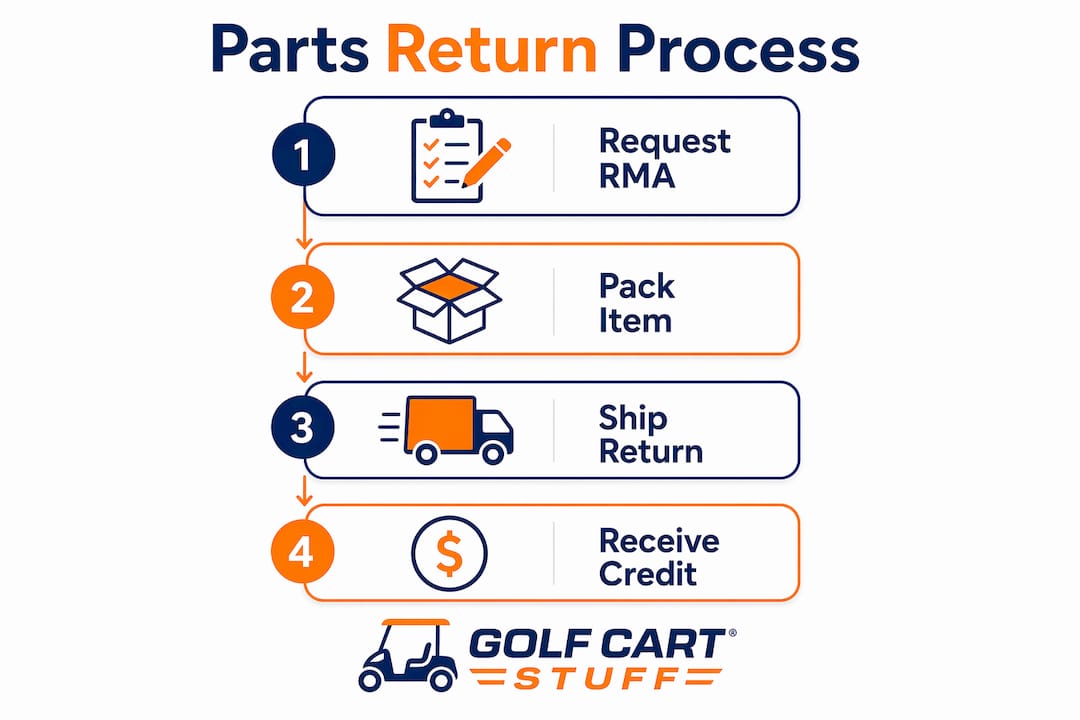
Confirm eligibility. Verify the part is within the return window, unused, in original packaging, and not a special order, electronic, or discontinued item. Check your original purchase details before contacting the vendor.
Request an RMA number. Contact the vendor’s customer support by email or phone and provide your invoice number, part number, and reason for return. The vendor issues an RMA number that authorizes the return.
Note the RMA validity window. RMA numbers are valid for 45–60 days%20Updated.pdf) from the issue date depending on the vendor. Returns shipped after expiration may be refused or charged a higher restocking fee.
Package the part correctly. Use the original packaging. Mark the RMA number clearly on the outside of the box. Do not write on the product box itself.
Prepare your documentation. Include a copy of the original invoice or picking list and the completed vendor return form inside the package. Missing paperwork is a common reason returns get delayed or rejected.
Ship at your expense. Dealers cover return freight on all returns, warranty or otherwise. Use a trackable shipping method. Freight Collect and COD returns are refused by most vendors.
Track the shipment. Keep your tracking number until the vendor confirms receipt and inspection. If a package is lost in transit, the claim falls on the dealer without proof of delivery.
Wait for inspection. Once the vendor receives the return, they inspect the part for condition and completeness. Approval or rejection is typically communicated within 5 business days.
Receive your credit or refund. Approved returns are usually applied as store credit to your dealer account. Refunds to the original payment method, when available, can take 7–14 business days to process after approval.
Pro Tip: Keep a dedicated return log in your shop that tracks every RMA number, issue date, expiration date, and shipping confirmation. One missed deadline can cost you the full part value.
Warranty returns follow a different path than standard returns, and the differences matter.
Pro Tip: Mark every special order item as “Final Sale” in your own inventory system at the time of purchase. It prevents internal confusion and sets clear expectations if a customer later requests a return.
Lemon law protections cover whole vehicles and generally exclude golf carts and their individual parts. That means dealers manage all parts return and warranty claims under vendor policy alone, with no state-level safety net to fall back on.
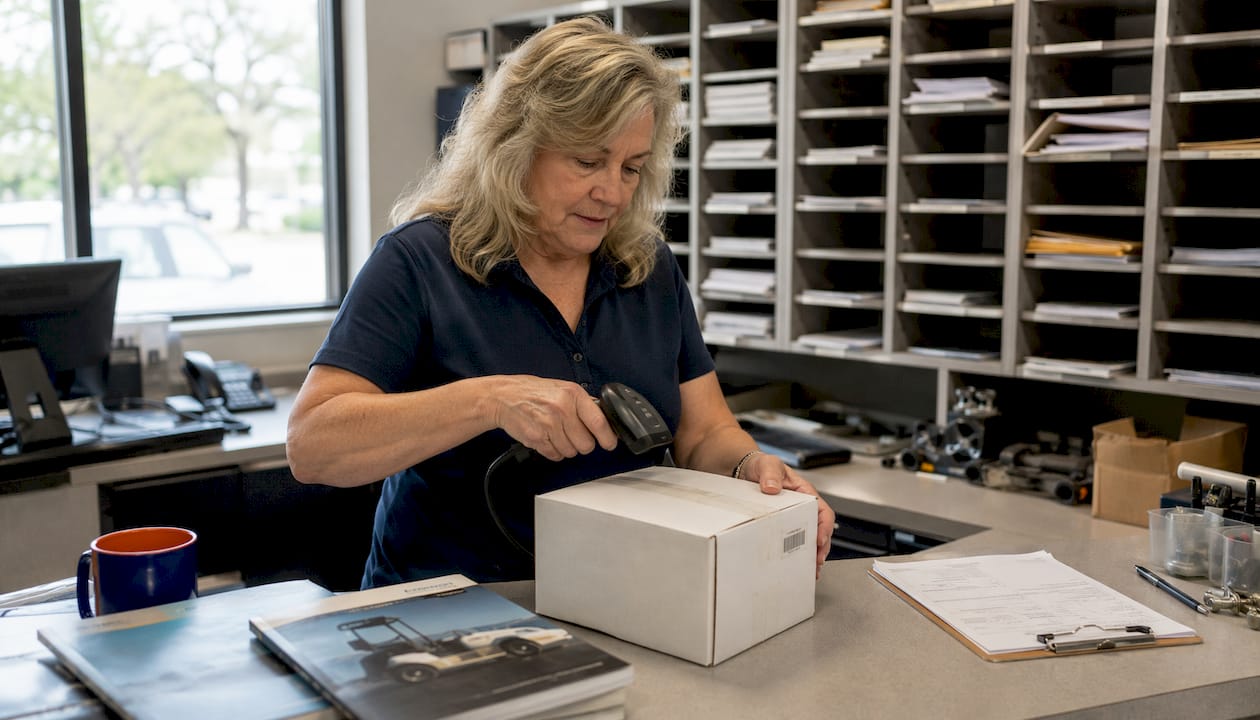
Fast communication is the single biggest factor in whether a damage or shortage claim succeeds.
Staying organized on the front end, from inspecting shipments on arrival to filing paperwork the same day, keeps your dealer account in good standing and your credits moving.
Golfcartstuff carries a full catalog of Club Car DS parts and Yamaha golf cart parts sourced for dealer-level reliability. Ordering from a supplier with clear return policies and documented part specifications reduces the likelihood of returns before they start.
The dealer golf cart parts return process requires an RMA number, original packaging, and strict adherence to vendor timelines to avoid restocking fees and account holds.
| Point | Details |
|---|---|
| Return window | Most vendors accept returns initiated within 30 days of invoice; damage claims require notification within 2 business days. |
| RMA validity | RMA numbers are valid for 45–60 days from issue; returns shipped after expiration risk refusal or higher fees. |
| Restocking fees | Non-warranty returns carry a significant restocking fee, waived only for verified defects or vendor shipping errors. |
| Non-returnable parts | Special orders, installed electronics, and discontinued parts are ineligible for return regardless of condition. |
| Warranty turnaround | Warranty repairs or replacements typically take 4–6 weeks; dealers cover return freight on all warranty items. |
Explore our store to see what our products and resources can do for you.

Leave a comment