

Your Cart Is Our Priority
Explore our store to see what our products and resources can do for you.

TL;DR:
- Expanding a golf cart parts catalog involves adding categories based on demand signals like lithium batteries. Retailers must ensure accurate inventory data through barcode scanning and classify parts using ABC analysis before sourcing new SKUs. Regular audits and verified compatibility reduce returns and improve stock management, supporting profitable growth.
Expanding a golf cart parts catalog is defined as the deliberate process of adding new part categories, sourcing diverse suppliers, and applying inventory management frameworks to grow sales and reduce customer downtime. Retailers who do this well do not simply add more SKUs. They apply structured methods like ABC analysis, barcode-based tracking, and demand-driven sourcing to build a catalog that performs. Lithium batteries represent the clearest example of a high-growth category that rewards retailers who act early. This guide walks through every step of catalog expansion, from setup to sourcing to avoiding the pitfalls that cost retailers money.
The foundation of any successful catalog expansion is accurate inventory data. Barcode scanning systems allow golf cart parts retailers to achieve 95–99% inventory accuracy. That level of precision is the baseline you need before adding new categories, because bad data compounds fast when SKU counts grow.
ABC analysis is the classification method that separates critical parts from low-priority stock. ABC analysis assigns “A” status to critical, high-turnover parts like brake shoes and solenoids, “B” status to moderate-turnover items, and “C” status to slow-moving parts with simpler reorder rules. This classification tells you where to concentrate safety stock and where to keep lean.
Before adding new categories, set reorder points for every existing part. Reorder points calculated from usage rates and supplier lead times prevent stockouts on the parts customers need most. Pair reorder alerts with inventory management software that supports multi-location tracking and purchase order automation.
Organizing your current catalog by make, model, and part type is the last prerequisite. A retailer who cannot quickly locate a Club Car DS solenoid in their own system will struggle to manage 200 new SKUs. Use the golf cart parts inventory checklist from Golfcartstuff as a starting framework before you source anything new.
Pro Tip: Run a full physical count against your system records before sourcing new categories. Discrepancies above 5% signal a data problem that will undermine every expansion decision you make.
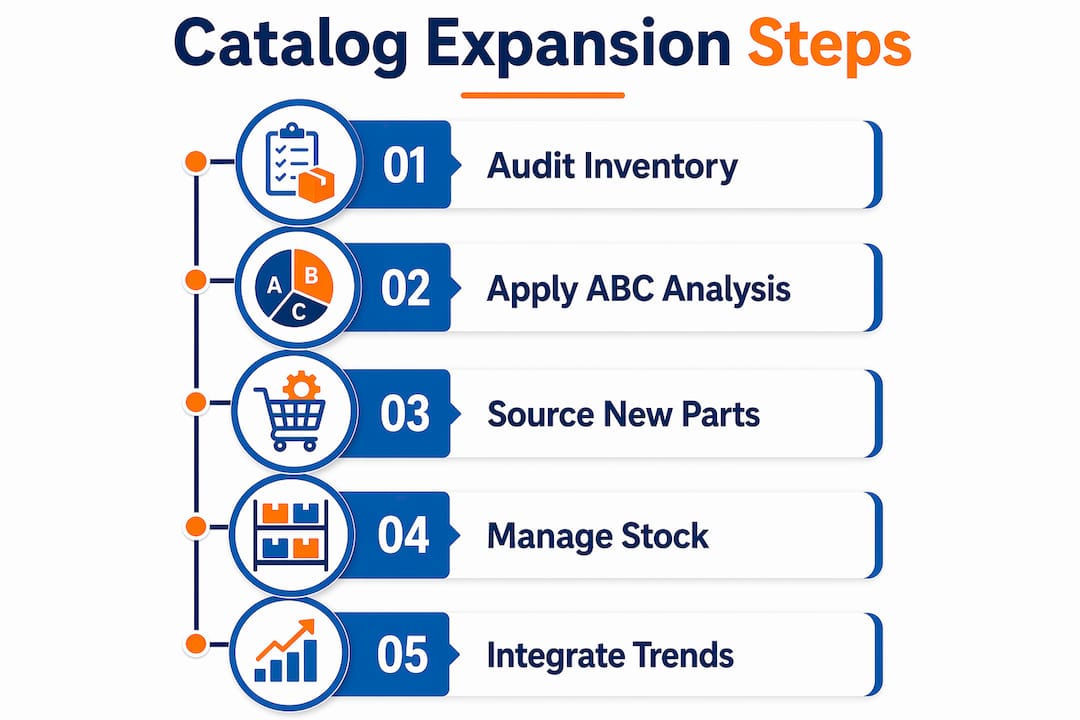
Sourcing new categories starts with reading demand signals, not guessing. The clearest signal right now is the shift toward lithium power. Lithium batteries are the fastest-growing inventory category in the golf cart market, driven by longer cycle life and lower total cost of ownership. Retailers who stock lithium options alongside lead-acid alternatives capture both the replacement buyer and the upgrade buyer.

The OEM versus aftermarket decision shapes every sourcing conversation. Offering both OEM and aftermarket parts lets retailers balance reliability with cost-effectiveness. OEM parts carry brand assurance and command higher margins. Quality aftermarket parts open the door to price-sensitive buyers and fleet operators managing large numbers of carts.
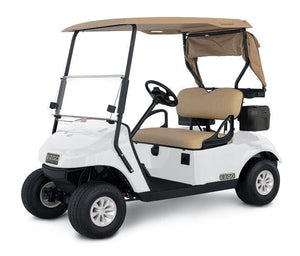
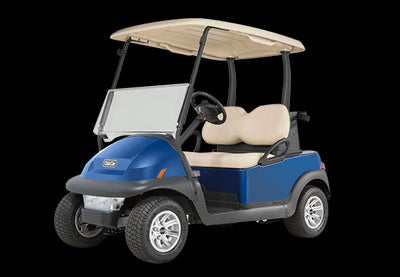
Compatibility across major brands is non-negotiable. EZGO, Club Car, and Yamaha each use distinct part specifications, and a mismatched part returned by a customer costs more than the original margin. Verify fitment data from suppliers before listing any new SKU, and build your catalog around confirmed compatibility tables.
Packaging matters more than most retailers expect. B2B buyers prefer neutral packaging with OEM-comparable labeling because it simplifies bulk order integration and reduces picking errors. When evaluating suppliers, ask specifically about their labeling standards and whether part numbers match OEM cross-reference databases.
Key criteria for evaluating new parts categories:
Effective inventory management for an expanded catalog requires more than adding shelf space. Tracking usage patterns identifies which parts move fast and which sit idle. That data feeds directly into smarter reorder decisions and prevents cash from getting locked in slow-moving stock.
ABC analysis remains the most practical framework for managing a growing catalog. “A” parts like solenoids, brake components, and batteries require tight control, frequent cycle counts, and higher safety stock. “B” parts get moderate attention. “C” parts, such as cosmetic trim pieces, need only periodic review. Focusing on criticality and turnover rate rather than total volume improves cash flow and reduces downtime for customers.
Physical organization directly affects picking speed and accuracy. Organizing parts by equipment type, criticality, and supplier accelerates maintenance workflows and reduces mispicks. Group EZGO parts together, Club Car parts together, and Yamaha parts together. Within each brand section, sort by part category.
| Management approach | Best for | Key benefit |
|---|---|---|
| ABC classification | All catalog sizes | Focuses investment on critical parts |
| Barcode scanning | Warehouses with 100+ SKUs | Achieves 95–99% accuracy |
| Reorder point alerts | Fast-moving “A” and “B” parts | Prevents stockouts automatically |
| Usage pattern tracking | Seasonal and fleet buyers | Improves demand forecasting |
| Supplier diversification | Critical parts categories | Reduces single-source supply risk |
Maintain at least two approved suppliers for every “A” part category. Single-source dependency on a critical part is the fastest way to lose a fleet account. Build contingency sourcing into your supplier agreements before you need it.
Pro Tip: Schedule quarterly cycle counts for “A” parts and semi-annual counts for “B” parts. Full annual counts for “C” parts are sufficient. This tiered approach saves time without sacrificing accuracy where it matters most.
Trending parts drive new customer acquisition when your catalog reflects what buyers are actively searching for. Lithium batteries charge faster and last longer than lead-acid alternatives, making them a compelling upgrade category for both individual owners and fleet operators. Adding lithium options to your catalog positions you as a forward-looking supplier rather than a replacement-only parts source.
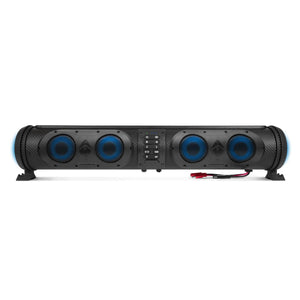
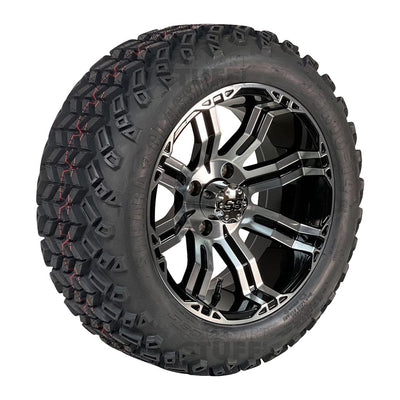
The golf cart accessory trends for 2026 show strong demand for performance and customization upgrades. Retailers who stock lift kits, custom wheels, LED lighting, and rear seat kits alongside core replacement parts capture a wider share of the customer’s total spending. The key is balancing high-margin accessories with the bread-and-butter replacement parts that drive repeat visits.
Marketing new categories requires more than listing them. Create compatibility guides that show exactly which accessories fit which cart models. Buyers who can self-serve on fitment questions convert faster and return fewer items.
Trending categories worth adding to your catalog:
Overstocking slow-moving parts is the most common and costly mistake retailers make during catalog expansion. Adding new categories without usage data leads to cash sitting on shelves in parts that move once a year. Apply ABC analysis to every new category before committing to opening stock quantities.
Compatibility errors create returns, damage trust, and erode margins. A part listed for “all Club Car models” that actually fits only pre-2000 DS carts will generate returns and negative feedback. Verify every fitment claim against OEM part number cross-references before publishing a listing.
Tracking errors multiply when catalog size grows without a corresponding upgrade in tracking infrastructure. Manual counts on a 500-SKU catalog are unreliable. Barcode scanning is the minimum standard for any retailer expanding beyond a small local operation.
Periodic audits are not optional for growing catalogs. A quarterly review of your top 20% of SKUs by turnover, combined with a spot-check of reorder point accuracy, catches data drift before it causes a stockout or an overstock event. Clean data is the only reliable input for any reorder calculation.
Expanding a golf cart parts catalog succeeds when retailers combine accurate inventory tracking, ABC analysis, and demand-driven sourcing to add the right categories at the right stock levels.
| Point | Details |
|---|---|
| Start with accurate data | Barcode scanning achieves 95–99% accuracy before any expansion begins. |
| Apply ABC analysis | Classify parts by criticality to focus safety stock where downtime risk is highest. |
| Prioritize lithium batteries | Lithium is the fastest-growing category and attracts both upgrade and replacement buyers. |
| Verify compatibility first | Confirm OEM cross-reference fitment for every new SKU to reduce returns. |
| Audit regularly | Quarterly cycle counts on “A” parts keep reorder data clean and stockouts rare. |
Retailers who expand their catalogs by chasing volume almost always regret it. I’ve seen operations add 300 SKUs in a quarter, only to find that 60% of the new parts barely moved in the first year. The ones who grow profitably do the opposite. They add fewer categories, but they add the right ones, backed by usage data and supplier agreements that hold up under pressure.
The shift to lithium batteries changed how I think about catalog strategy entirely. Three years ago, stocking lithium was a niche play. Now it’s a baseline expectation from fleet buyers and serious individual owners. Retailers who waited too long to add lithium lost those accounts to suppliers who moved faster. That’s a hard lesson to learn after the fact.
Supplier relationships matter more than price at the point of expansion. A supplier who delivers on time and labels parts correctly is worth more than one who undercuts by 8% but ships inconsistently. I’ve watched retailers burn through their safety stock because a cheap supplier missed a lead time by two weeks during peak season.
The technology piece is where most retailers underinvest. Barcode scanning and automated reorder alerts are not expensive relative to the cost of a single stockout on a critical part. If your tracking system still relies on spreadsheets, fix that before you add a single new category.
— Roshan
Golfcartstuff carries the parts categories that matter most for retailers looking to grow their offerings without the sourcing guesswork.
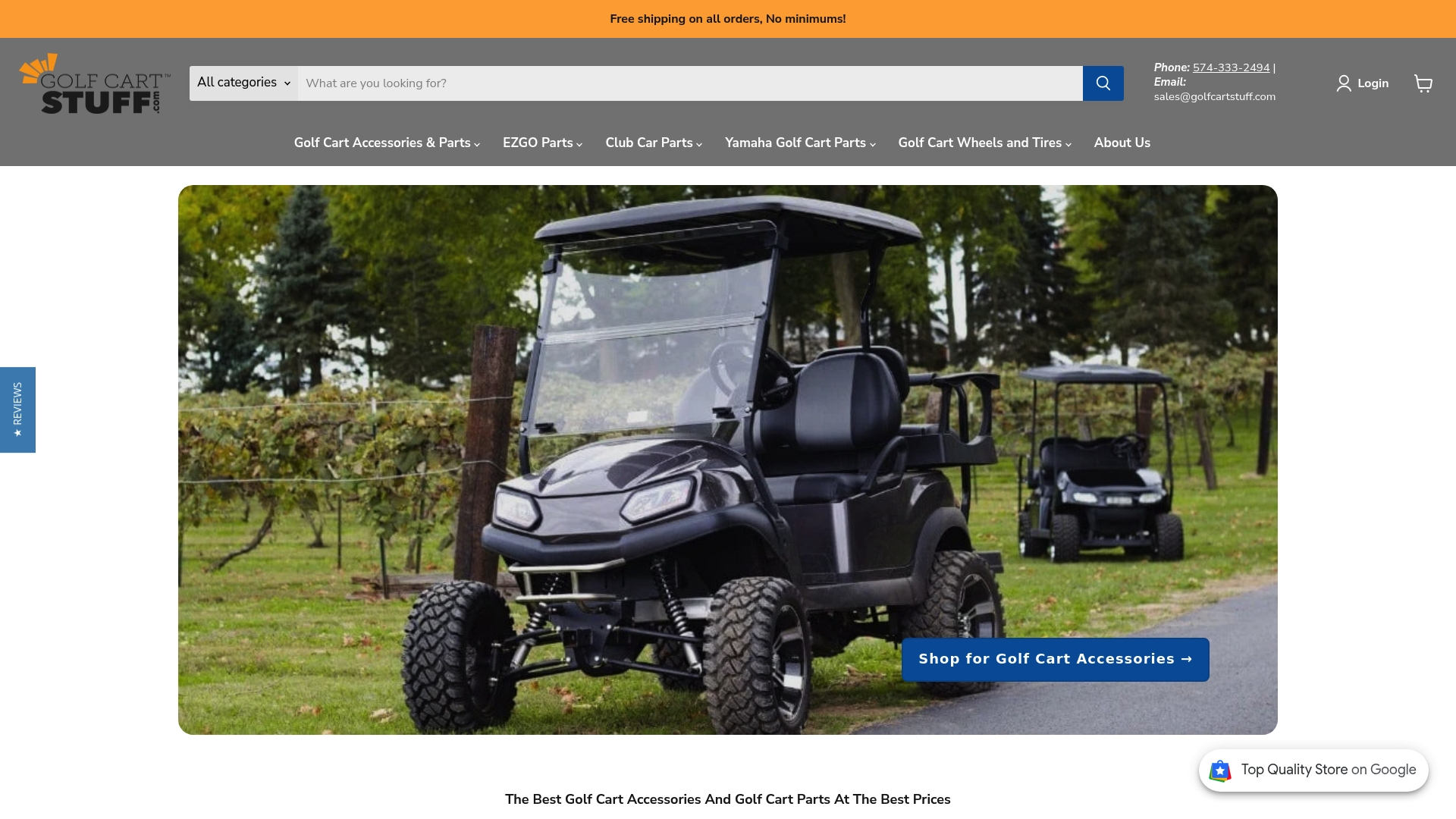
The Golfcartstuff catalog covers Club Car DS parts, Yamaha G1-G22 parts, and a full range of golf cart accessories spanning performance upgrades, lighting, and customization. The lithium battery selection includes drop-in replacement kits compatible with major brands, backed by detailed fitment information. Retailers can browse by brand, part category, or application to build orders that match their specific customer base. Golfcartstuff supports B2B buyers with clear part numbering and OEM-comparable labeling that simplifies bulk ordering and reduces picking errors at your end.
Audit your existing inventory for accuracy using barcode scanning before adding new categories. Clean, accurate data is the foundation every sourcing and stocking decision depends on.
ABC analysis classifies parts by criticality and turnover rate, directing safety stock and tight controls toward “A” parts like solenoids and brake components that cause the most downtime when they run out.
Lithium batteries are the fastest-growing category in golf cart parts due to longer cycle life and faster charging. They attract both replacement buyers and customers upgrading from lead-acid systems.
Verify every new part against OEM cross-reference numbers before listing it. Confirm fitment for specific makes, models, and year ranges rather than relying on broad compatibility claims from suppliers.
Conduct quarterly cycle counts for “A” parts, semi-annual counts for “B” parts, and annual counts for “C” parts. This tiered schedule maintains accuracy without consuming excessive staff time.
Explore our store to see what our products and resources can do for you.

Leave a comment