
Your Cart Is Our Priority
Explore our store to see what our products and resources can do for you.

Golf cart safety is easy to overlook until you find yourself driving in low light or at night. Poor visibility and unclear signals can make every round feel risky, especially when other carts and pedestrians share the same space. Upgrading your cart’s lighting isn’t just about looking good—it’s about making every ride safer and more predictable. This guide will show you how smart lighting choices, like headlights, tail lights, and turn signals, directly lower crash risk and help everyone see you clearly. Get ready to discover actionable tips that will make your golf cart more visible, improve communication on the course, and keep you safe no matter the hour.
| Key Message | Explanation |
|---|---|
| 1. Upgrade to LED Headlights | LED headlights improve visibility and enhance safety, especially in low-light conditions while extending battery life. |
| 2. Install Functional Tail Lights | Tail lights prevent rear-end collisions by signaling your presence to others, crucial during low-light golf rounds. |
| 3. Use Turn Signals Consistently | Turn signals provide advance warning for your movements, reducing confusion and preventing accidents while driving. |
| 4. Consider LED Light Bars | LED light bars enhance brightness and offer modern aesthetics, improving nighttime visibility without draining the battery. |
| 5. Maintain Brake Lights Regularly | Operational brake lights are essential for safety; check weekly and replace burned-out bulbs immediately to prevent accidents. |
Golf cart headlights are your first line of defense when playing during twilight hours or nighttime rounds. Without proper lighting, you’re essentially driving blind, which puts you and your fellow golfers at serious risk.
Headlights transform your golf cart from a potential hazard into a safe vehicle. They illuminate the fairway ahead, help you spot obstacles, and make your cart visible to other players on the course. The difference between adequate and poor lighting can mean the difference between a smooth ride and a dangerous situation.
Nighttime golf requires visibility that goes beyond just seeing the ball. You need to see where you’re driving, spot hazards like rough terrain or water features, and ensure other golfers can see your cart approaching. Advanced lighting technologies like LED headlights significantly reduce crash risk by improving illumination and preventing dangerous glare.
Many golf courses operate during low-light conditions, especially during seasonal changes. Your headlights become critical safety equipment in these moments, not just a convenience feature.
Proper headlights reduce visibility-related accidents by providing adequate road illumination and enhancing pedestrian visibility during nighttime driving.
Your cart likely came with standard incandescent bulbs. These work, but they’re outdated and consume significant power from your battery. Modern alternatives offer better performance:
When choosing an upgrade, consider your battery capacity and how often you drive at night. LED golf cart lights are increasingly popular because they deliver superior visibility while extending your battery life.
Upgrading your headlights is straightforward for most golf carts. Most systems require minimal electrical knowledge and take under an hour to install. Always disconnect your battery before working on any electrical components.
Regular maintenance keeps your headlights functioning optimally. Clean the lens regularly to remove dirt and oxidation that reduces light output. Check bulbs monthly and replace them before they completely fail.
Once you upgrade your headlights, the difference becomes immediately obvious. The course ahead appears brighter and clearer. Shadows and hazards become visible much earlier, giving you time to react.
Better visibility also improves your shooting accuracy. When you can actually see where you’re aiming, your game improves. Plus, other golfers appreciate being able to see your cart coming from a distance.
Pro tip: Install headlights with adjustable brightness settings so you can reduce intensity for early evening rounds and increase it as darkness falls, protecting your battery while maintaining optimal visibility.
Tail lights are the unsung heroes of golf cart safety. While headlights get all the attention for lighting your path forward, tail lights do something equally important: they tell everyone behind you that you’re there.
Without functioning tail lights, your cart becomes invisible to other golfers and vehicles approaching from behind. This creates a collision risk that many cart owners overlook until it’s too late. Proper tail lights transform your cart into a visible, predictable presence on the course.
Tail lights serve two critical functions. First, they signal your position to anyone behind you, preventing rear-end collisions. Second, they illuminate your license plate, which is required for legal operation on public roads and regulated courses.
The regulations are clear and specific. Golf carts require at least two red lights visible from a specified distance, and these lights must be constructed to reduce glare while maintaining visibility. This isn’t just bureaucracy—it’s safety infrastructure.
Tail lights are crucial for visibility during low-light conditions, helping prevent collisions by signaling the presence and position of your cart to other vehicles and pedestrians.
When you’re driving during dusk, dawn, or nighttime rounds, your tail lights work constantly. They warn other players that you’re slowing down, turning, or stopped ahead. Without them, you’re creating a hazard.
Not all tail lights are created equal. Consider these features when evaluating your current setup:
LED tail lights are becoming the standard because they’re brighter, last longer, and consume minimal power. They also respond instantly when you brake, giving drivers behind you immediate warning.
Most golf carts come with basic tail lights, but upgrading is straightforward. The installation process typically takes less than an hour and requires basic tools. Always disconnect your battery before starting any electrical work.
Regular maintenance keeps your tail lights functioning properly. Check them weekly by walking behind your cart at night to confirm both lights illuminate. Clean the lens regularly to remove dirt and debris that reduces light output. Replace burned-out bulbs immediately—never drive with a non-functioning tail light.
When considering nighttime golf cart driving safety, functioning tail lights are part of your foundational safety system.
Pro tip: Test your tail lights every week by parking in a dark area and walking behind your cart to verify both lights illuminate brightly, catching issues before they create safety risks during evening rounds.
Turn signals are your golf cart’s way of talking to everyone around you. They tell other golfers, pedestrians, and vehicles exactly where you’re heading before you get there, giving everyone time to react and stay safe.
Many golf cart owners underestimate the importance of turn signals because they’re used to driving on courses where rules feel more relaxed. But the reality is simple: turn signals prevent confusion and collisions. They transform your intentions from a mystery into clear communication.
Turn signals work ahead of your action, not during it. When you activate your signal, everyone nearby knows what you’re about to do. This advance warning prevents the dangerous surprises that lead to accidents.
Using turn signals appropriately helps maintain predictable traffic flow and prevents collisions by informing other road users of your planned movements well in advance. This principle applies whether you’re on a golf course, in a resort community, or on public roads.
Think of it this way. A golfer playing the next fairway over can’t see your cart approaching because of trees or elevation changes. Your turn signal tells them you’re about to cross their line of sight. Without it, they’re driving blind to your presence.
Turn signal lights enhance safety by communicating directional changes to pedestrians and other vehicles, helping prevent accidents during maneuvers.
Most modern golf carts have turn signal wiring built into the electrical system, but many older models don’t. If your cart lacks turn signals, upgrading is a worthwhile investment.
Proper wiring and maintenance of turn signal circuits ensure reliable functioning, which is crucial for preventing accidents during turns and lane changes. The system typically includes:
Upgrading to turn signals takes a few hours and basic electrical knowledge. Many golf cart owners handle the installation themselves, though professional installation is always an option.
Using them consistently is equally important. Activate your signal at least 100 feet before turning or changing direction. This gives others plenty of time to notice and respond. Make it a habit on every turn, every time.
Check your signals monthly by walking around your cart with them activated. Both sides should blink clearly and consistently. Replace burned-out bulbs immediately to maintain full functionality.
Golf cart turn signal solutions address the specific needs of your vehicle type and driving conditions.
Pro tip: Activate your turn signals at least 100 feet before any turn or directional change, making this habit automatic so you never forget and always give others maximum warning time.
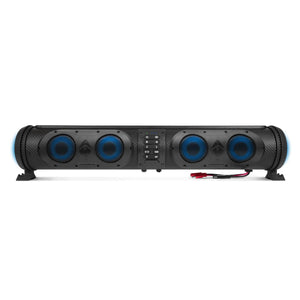
LED light bars are the statement piece of golf cart lighting. They deliver striking brightness while transforming your cart’s appearance from basic transportation to something that looks genuinely modern and premium.
Unlike traditional lighting solutions, LED light bars combine function and style in a way that satisfies both safety requirements and aesthetic preferences. They illuminate your path with impressive brightness while consuming minimal battery power, which is a win on every front.
LED technology represents a massive leap forward from older lighting options. They produce bright, directional light with low heat emission and exceptional longevity. A quality LED light bar can last for thousands of hours before needing replacement.
The brightness difference is immediately noticeable. LED light bars cast a crisp, white light that illuminates the course far more effectively than standard incandescent bulbs. This enhanced visibility makes nighttime driving safer and more comfortable.
LED light bars offer advantages such as longer service life and reduced energy consumption compared to traditional lighting options, making them an intelligent investment for any golf cart owner.
LED light bars provide bright, directional light with low heat emission and long lifespan, making them ideal for improving nighttime visibility while adding modern aesthetic appeal to your cart.
The advantages extend beyond simple brightness. Consider what LED technology brings to your golf cart:
Many golf cart owners pair LED light bars with traditional headlights for maximum visibility. The combination provides broad illumination plus concentrated brightness exactly where you need it.
LED light bars require proper wiring to function reliably. Most installations need a dedicated circuit with appropriate switches and relays. The electrical demands are manageable because LEDs consume so little power compared to older technologies.
Consider your battery’s capacity before installing multiple light bars. A 48-volt system can typically handle several LED bars without difficulty, but 36-volt systems need more careful planning. Choosing the best golf cart lights involves matching your lighting goals with your electrical system’s capabilities.
Professional installation takes a few hours and ensures everything connects properly. The investment in correct installation pays dividends through years of reliable, bright lighting.
Pro tip: Mount your LED light bar at least 24 inches from the ground and angled slightly downward to illuminate the course ahead without creating excessive glare that blinds other drivers.
Underglow lights transform your golf cart into a head-turning presence on the course. They illuminate the ground beneath your chassis, creating a striking visual effect that turns your cart into a genuine showpiece.
These lights serve a dual purpose. They enhance your cart’s visual appeal while subtly increasing visibility to other golfers and vehicles nearby. The result is a cart that looks premium and feels safer to operate during evening hours.
Underglow lighting systems use LED or neon tubes mounted beneath your cart’s chassis. They illuminate the ground directly below your vehicle, creating a glowing outline effect that’s impossible to miss. The technology is straightforward but the visual impact is dramatic.
These systems come in various colors and brightness levels. Most popular options are white, blue, green, or red, though customization options abound. The brightness can range from subtle ambient lighting to intense, attention-grabbing illumination.
One critical consideration: underglow lighting faces strict legal restrictions in many jurisdictions due to safety concerns and potential distraction to other drivers. Before installing underglow lights, verify your local regulations.
Many states prohibit specific underglow colors and flashing patterns to avoid distraction and confusion with emergency vehicles, so checking local laws is essential before installation.
Underglow restrictions vary significantly by location. Some areas prohibit them entirely on public roads, while others allow specific colors or stationary (non-flashing) patterns. A few jurisdictions permit them only for private property or specific events.
Key legal limitations to consider:
Private golf courses generally have more flexibility, but even there, some courses restrict underglow. Always verify with your course management before installation.
Underglow lights shine at car shows, private events, and exclusive golf communities where regulations are relaxed. These environments celebrate custom lighting and appreciate the aesthetic enhancement.
For everyday course play, underglow provides subtle ambient lighting that improves visibility without the legal headaches. Even stationary underglow can make your cart more visible to other players during dusk rounds.
The styling benefits are undeniable. Your cart transforms from standard transportation into a vehicle that commands attention. This visual upgrade appeals to owners who prioritize appearance alongside function.
Most underglow kits come with mounting brackets, wiring harnesses, and control switches. Installation typically takes two to three hours for someone with basic electrical knowledge. Professional installation ensures proper wiring and reliable operation.
Battery power consumption is minimal with LED underglow systems, so drain on your cart’s battery is negligible. Quality kits include weatherproofing to protect against moisture and vibration.
Pro tip: Before purchasing underglow lights, contact your local golf course management and check your state and county regulations to confirm legality, preventing expensive installation on a system you cannot legally operate.
Brake lights are your golf cart’s most important safety communication tool. When you press the brake pedal, these lights instantly alert everyone behind you that you’re slowing down or stopping, preventing dangerous collisions.
Many golf cart owners overlook brake lights because they focus on headlights and turn signals. That’s a costly mistake. Brake lights are often the difference between a safe stop and a rear-end collision on the course.
Brake lights work instantly and automatically. The moment your foot touches the brake, these lights illuminate. This split-second warning gives following drivers and pedestrians critical time to react and avoid hitting you.
The physics are simple but powerful. A golf cart traveling at just 15 miles per hour needs roughly 30 feet to stop safely. Brake lights cut that reaction time dramatically, turning a potential collision into a smooth, predictable stop.
Brake lights are vital safety components that provide a clear signal to following drivers and pedestrians that the vehicle is slowing or stopping, reducing rear-end collision risks significantly.
Brake light regulations mandate at least two approved brake lights visible from a set distance, ensuring other road users are alerted to stopping traffic and reducing crash risks.
Brake light regulations aren’t suggestions. They’re legal requirements that apply to golf carts operating on public roads and many private courses. Most jurisdictions require at least two functioning brake lights visible from a specified distance, typically 300 feet.
The lights must meet specific brightness and color standards. Red is mandatory for brake lights, and they must illuminate quickly without lag. The bulbs must be visible in daylight and night conditions.
Failure to maintain proper brake lights can result in citations and potential liability if an accident occurs. Many insurance companies consider non-functioning brake lights evidence of negligence in accident claims.
Your golf cart’s brake light circuit is simple but critical. When you press the brake pedal, it activates a switch that completes an electrical circuit. This energizes the brake light bulbs, illuminating them immediately.
Most systems include these components:
Check your brake lights weekly to ensure both sides illuminate brightly and simultaneously. Have a friend stand behind your cart while you press the brakes, or park near a reflective surface where you can see the lights.
Replace burned-out bulbs immediately. Keep the lens clean and free from dirt or moisture that reduces brightness. If your brake lights flicker or illuminate inconsistently, the switch or wiring likely needs attention.
LED brake light upgrades are worth considering. They’re brighter, more reliable, and consume minimal battery power compared to traditional incandescent bulbs.
Pro tip: Test your brake lights every seven days by having someone observe both rear lights while you press the brake pedal, ensuring immediate replacement of any burned-out bulbs before driving.
Below is a comprehensive table summarizing the key concepts and recommendations discussed throughout the article on golf cart lighting and its importance for safety and visibility during low-light conditions.
| Lighting Aspect | Key Features | Recommended Practices |
|---|---|---|
| Headlights | Illuminate the path ahead, assist in obstacle visibility, and improve cart recognition by others. | Upgrade to modern lights like LEDs for better illumination and energy efficiency. Clean and maintain regularly. |
| Tail Lights | Enhance visibility from behind and signal the cart’s presence and speed changes. | Use LED tail lights for better brightness and power saving. Check functionality weekly. |
| Turn Signal Lights | Indicate directional intentions to surrounding players and vehicles. | Install reliable systems with clear indicator and activation mechanisms. Test signals regularly. |
| Brake Lights | Communicate immediate slowing or stopping actions to others. | Ensure bright, fully functional brake lights are installed. Test weekly. |
| LED Light Bars | Provide modern, bright lighting and improve overall visibility. | Choose energy-efficient models and ensure proper installation for optimal performance. |
| Underglow Lights | Create a visual statement while increasing cart recognition during nighttime. | Verify legality per local rules before installation and prioritize subtle yet effective lighting. |
This table encapsulates the article’s focus on safety, functionality, and the enhancements modern lighting technologies bring to the golf cart driving experience.
Navigating the challenges of low-light golf cart driving requires the right lighting solutions. From headlights that boost visibility at dusk to brake lights that prevent rear collisions and turn signals that communicate your moves, each type of golf cart light plays a vital role in safety and performance. If you have experienced frustration with dim lights or unreliable signals, it is time to take control and enhance your golf cart with high-quality parts designed for durability and efficiency.
Explore our selection of premium golf cart lighting accessories at Golf Cart Stuff to find solutions such as LED headlights, tail lights, turn signals, and underglow kits that fit your cart perfectly. Don’t wait until a poor lighting setup puts your safety at risk. Visit Golf Cart Stuff today to shop reliable parts that maintain your cart’s electrical system and elevate your nighttime driving experience. Your next round should be safer and look better with the right lighting upgrades.
LED headlights are highly recommended as they provide brighter light and consume less power compared to traditional incandescent bulbs. Consider upgrading to LED headlights for better visibility on the course and potentially extending your battery life.
Installing tail lights typically requires basic tools and can be completed in under an hour. First, ensure you disconnect the battery, then follow the instructions included with your tail light kit to connect the wiring and mount the lights securely.
Turn signals are crucial for communicating your intended direction to other golfers and vehicles, preventing accidents. Activate your turn signals at least 100 feet before making a turn to give others ample warning of your movement.
You should check your golf cart lights, including headlights, tail lights, and turn signals, at least once a month. Regularly test each light and replace any burned-out bulbs promptly to ensure maximum visibility and safety on the course.
Underglow lights can enhance the appearance of your cart, but be aware of local regulations regarding their use. Always check with your golf course and local laws before installation to ensure you comply with any color and brightness restrictions to avoid fines.
Brake lights should be checked weekly for proper functionality, as they are vital for safety. Make it a habit to have someone observe the brake lights while you engage the brake pedal, ensuring immediate replacement of any non-functioning bulbs to prevent potential accidents.
Explore our store to see what our products and resources can do for you.

Leave a comment