

Your Cart Is Our Priority
Explore our store to see what our products and resources can do for you.

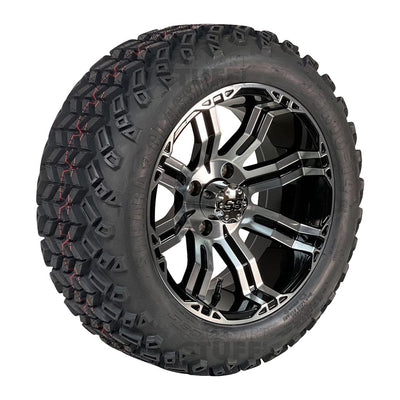
Most golf carts on the road today use a 4×4 bolt pattern, meaning 101.6 millimeters across four lugs arranged in a circle. That single spec covers the vast majority of Club Car, E-Z-GO, and Yamaha carts built in the last few decades, which is why aftermarket wheel shopping is easier than most owners expect. The catch isn’t the bolt circle. It’s the thread pitch on the lug nuts, which splits between SAE 1/2"-20 and metric M12×1.25 depending on the brand, and mixing them up strips threads fast.
Before you order a single wheel, do three things:
Golf cart wheel fitment comes down to five checks, bolt pattern, thread pitch, center bore, offset, and load rating, and skipping any one of them causes vibration, stripped threads, or an unsafe fit.
| Point | Details |
|---|---|
| Confirm the standard | Most carts use a 4×4 (4×101.6mm) bolt pattern, but always measure your hub before ordering. |
| Match thread pitch exactly | Club Car and E-Z-GO typically use SAE 1/2"-20; Yamaha often uses metric M12×1.25. |
| Check center bore and offset | A hub-centric fit and correct offset prevent vibration and tire rubbing. |
| Verify load rating | Wheels must handle your cart’s fully loaded weight, not just its empty weight. |
| Shop by brand for confidence | Golfcartstuff organizes wheels and lug nuts by Club Car, E-Z-GO, and Yamaha specs to reduce fitment mistakes. |
You need three tools: a tape measure, a set of calipers if you have them, and a few minutes with the hub cap off. That’s it. No specialty gear required.
The most common mistake is measuring stud edge to stud edge instead of center to center, which throws the number off by the stud’s diameter. The second most common mistake is assuming a 5-lug pattern when you actually miscounted studs on a worn or dirty hub.
Pro Tip: Take a photo of your hub next to a tape measure before you call a parts retailer for help. It saves several rounds of back-and-forth and gets you the right wheel on the first order.
The bolt circle itself barely varies across brands, but the hardware that threads onto it does, and that’s where most ordering mistakes happen.
That metric detail trips up a lot of Yamaha owners who buy nuts sized for a Club Car and wonder why they spin loose or won’t seat right. If your cart’s model year or trim is unclear, check the owner’s manual or look for stamped markings directly on the hub or studs. When in doubt, pull a lug nut off and bring it to a parts counter rather than guessing from memory.
Two thread specs cover nearly every golf cart on the market: SAE 1/2"-20, common on Club Car and E-Z-GO, and metric M12×1.25, common on Yamaha. They look similar enough at a glance that plenty of owners have tried to force the wrong nut onto a stud, and it rarely ends well.
You can identify which one you have a couple of ways:
Forcing a metric nut onto an SAE stud, or vice versa, cross-threads the connection. That means stripped threads, a nut that won’t torque down properly, and in the worst case, a wheel that works loose while you’re driving. If you find any stud showing worn or rounded threads, replace it before it becomes a wheel that separates from the cart entirely. Retailers stock both thread types specifically because this mismatch is one of the most common calls parts counters get.
Matching the bolt pattern gets you in the door, but it’s not the whole job. Three other numbers decide whether a wheel actually fits right, and ignoring them is the most common cause of returns and vibration complaints among wheel buyers.
Center bore is the hole in the middle of the wheel that seats against the hub. When it’s hub-centric, meaning it fits the hub snugly, the wheel centers itself and the lug nuts just hold it in place. When it’s lug-centric, meaning the bore is larger than the hub, the lug nuts alone are doing the centering work, and any slop there shows up as a vibration you’ll feel through the seat.
Offset and backspacing determine how far the wheel’s mounting surface sits relative to its centerline. Golf cart wheels tend to run in a narrower offset range than car wheels, and a wheel with the wrong offset can push the tire into the fender well or a suspension arm, especially on lifted carts.
Load rating is the one people skip and shouldn’t. A wheel needs to be rated to handle your cart’s fully loaded weight, passengers, cargo, and all, with margin left over. Cheap wheels sometimes list a load rating that barely covers the cart empty.
Pro Tip: If a new wheel set makes a low hum or thump that gets worse with speed, check center bore fit before you blame the tires. It’s the most overlooked cause of golf cart wheel vibration.
Five-lug hubs show up mostly on UTV conversions, some aftermarket lift kits, and a handful of older or custom-built carts that departed from factory specs. If you count five studs on your hub, don’t assume it’s a mistake. Verify it with the measurement method above before ordering anything.
Two paths forward once you’ve confirmed a nonstandard pattern:
If your cart is heavily modified or the hub’s origin is unclear, a professional evaluation before you commit to either fix is worth the visit.
Getting the bolt pattern and thread pitch right doesn’t help if the wheel goes on loose or overtightened. Installation order matters as much as the parts themselves.
Pro Tip: Keep a torque wrench in your garage even if you rarely do your own mechanical work. Overtightened lug nuts warp the wheel’s mounting surface almost as often as undertightened ones cause loosening.
Run through this before you click “buy” on any wheel set:
A few habits make this whole process smoother:
Golfcartstuff specializes in parts and accessories for Club Car, E-Z-GO, and Yamaha carts, and this guide draws on that product-level fitment experience. For deeper reference, see the Ultimate Wheel & Tire Guide, the golf cart lug nut guide, and the wheel FAQ resource.
A wheel that looks great but doesn’t match your hub’s bolt pattern, thread pitch, or load rating isn’t a bargain, it’s a liability waiting for a bumpy trail. Upgrading a hub or paying a shop for professional installation is worth it the moment you’re dealing with a 5-lug conversion or a cart with an unclear history. Run the checklist above before you buy anything, not after.
— Roshan
Once you’ve measured your bolt pattern and confirmed your thread pitch, the actual shopping part should be the easy step, and that’s where a lot of general auto parts sites fall short. They carry wheels sized for cars and trucks, not the tighter fitment window golf carts need.
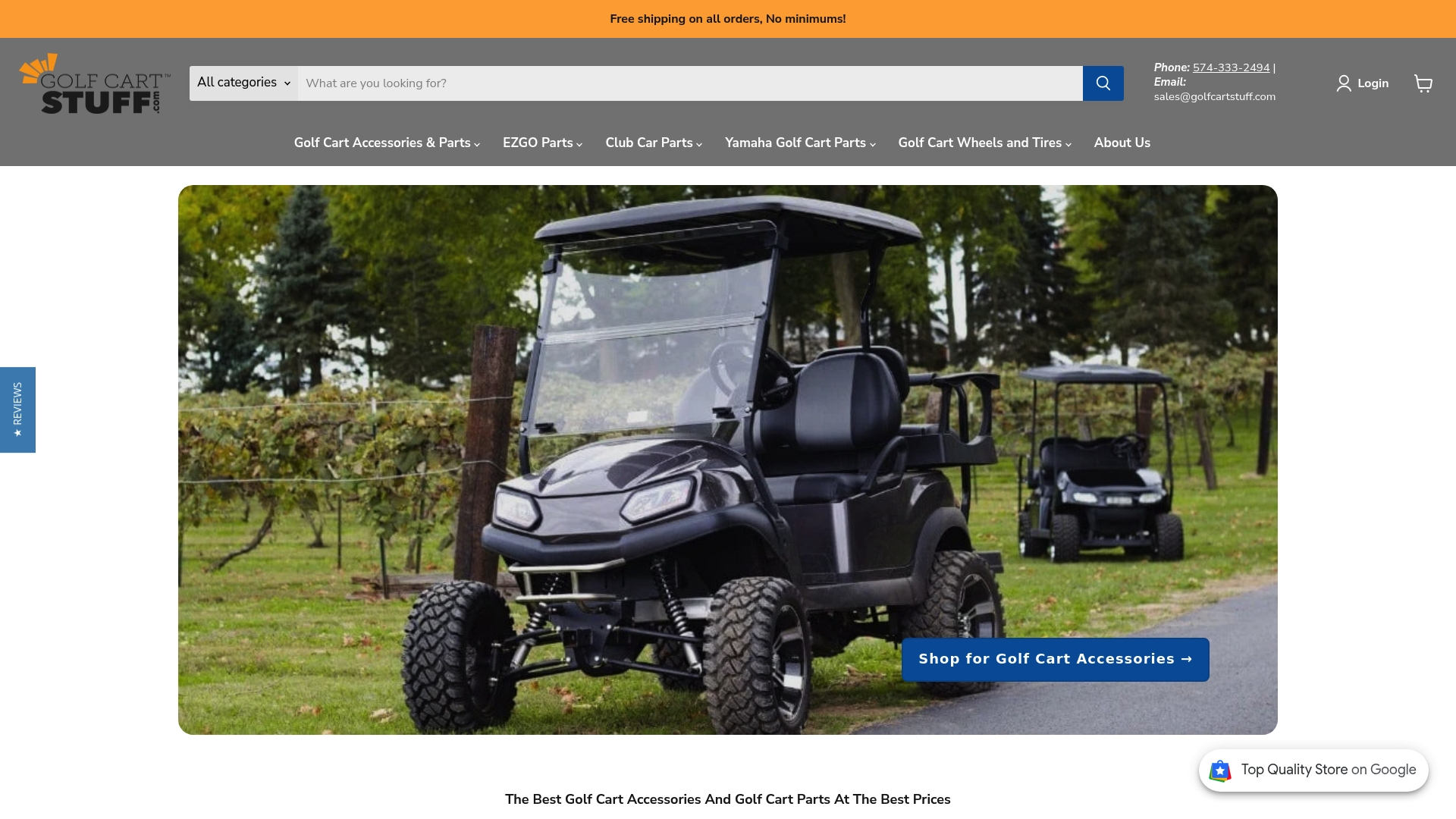
Golfcartstuff organizes its wheel and hardware catalog by brand, so you’re choosing from parts already built for your cart’s specs rather than cross-referencing a generic listing. Browse Club Car DS parts, EZGO TXT parts, or Yamaha G1-G22 parts to find wheels and lug nuts matched to your brand’s thread type. If you’ve measured your hub and you’re still not sure what you’re looking at, send us your measurements and a photo and we’ll help you confirm fitment before you order. Start by browsing golf cart wheels sorted by the specs you’ve already confirmed.
Explore our store to see what our products and resources can do for you.

Leave a comment