
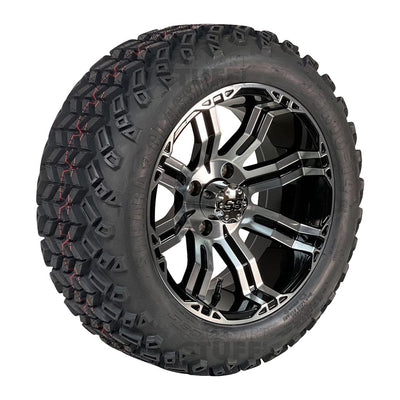
Your Cart Is Our Priority
Explore our store to see what our products and resources can do for you.

A golf cart enclosure is worth buying for most regular cart owners. It blocks rain, wind, and cold from passengers and the interior, protects seats and electronics from UV and moisture damage, and can add additional usable riding time during the riding season. If you use your cart more than occasionally, the protection pays for itself.
Here’s what a quality enclosure does for you:
A golf cart enclosure is the single most cost-effective upgrade for owners who ride in variable weather. It protects the cart’s interior, extends the season, and cuts repair bills — all at once.
Rain is the obvious threat, but wind and UV do just as much damage over time. A well-built enclosure handles all three. Soft-sided enclosures wrap the open sides of your cart with panels that zip or roll up, blocking driven rain from soaking seats and the dash. Hard enclosures add a rigid shell that insulates against cold and resists impact.
The materials matter more than most buyers realize. 600D Oxford fabric with PVC backing is the standard for heavy-duty waterproofing and wind resistance. Thinner 210D or 300D fabrics shed light rain but flex and leak in sustained wind. Marine-grade clear PVC windows resist yellowing and scratching better than standard vinyl, which clouds over after a season or two in direct sun.
Key weather-protection features to look for:
Batteries and controllers exposed to moisture or salt air see higher failure rates — an enclosure is one of the simplest ways to reduce that risk.
Beyond keeping you dry, enclosures make riding genuinely more comfortable. Wind chill at 15–20 mph drops the felt temperature fast, even on a mild day. Closed panels cut that wind load almost entirely, which matters on neighborhood drives, resort paths, and open fairways in fall or early spring.
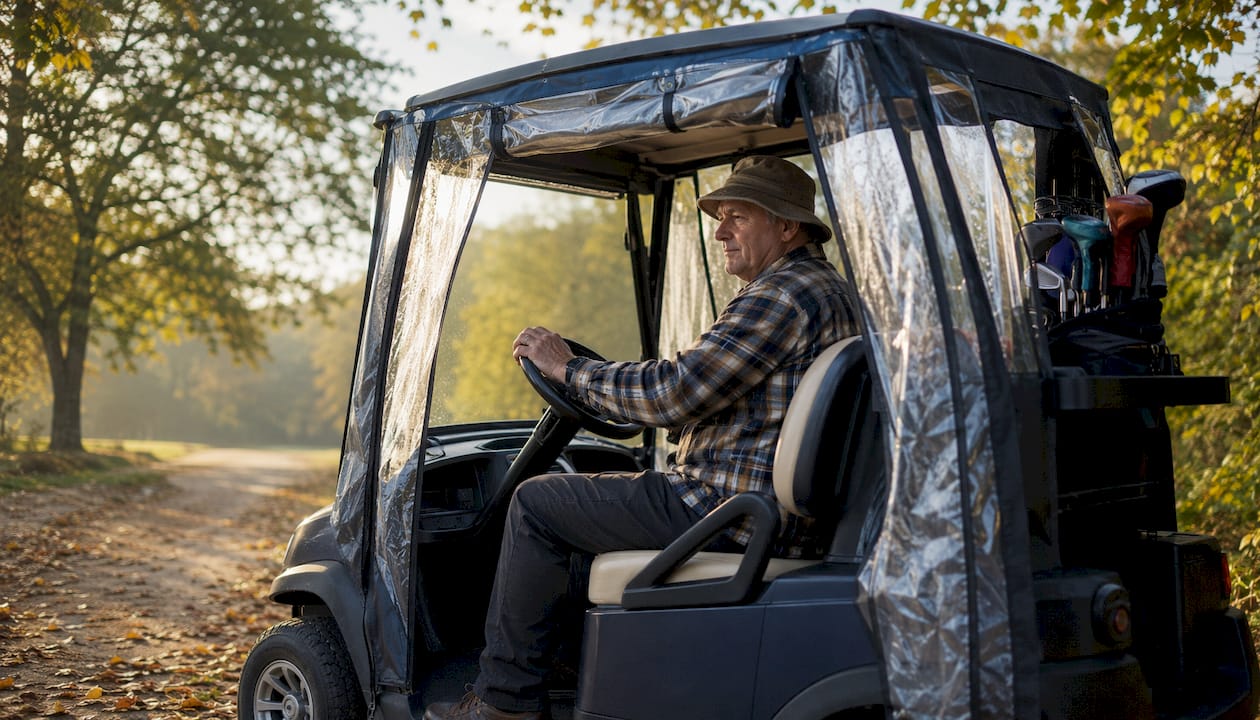
Enclosures can add significant seasonal usability in temperate climates. In milder regions like the Southeast or Southwest, year-round riding becomes realistic with the right enclosure.
Practical comfort features worth prioritizing:
Enclosures also add a layer of privacy that matters in gated communities, resorts, and rental fleets. Passengers feel more enclosed and protected, which improves the experience for kids, older riders, and anyone who finds open carts uncomfortable in rough weather.
Pro Tip: If you ride in a climate with both hot summers and cold winters, choose an enclosure with fully removable panels rather than a fixed design. You’ll get year-round use without fighting the enclosure on warm days.
The math here is straightforward. Golf cart seat replacement can be costly depending on material and cart model. A quality enclosure is priced to potentially offset these expenses. If the enclosure prevents even one seat replacement from UV cracking or rain saturation, it has paid for itself.
UV exposure is the quiet killer of cart interiors. Vinyl seats fade and crack within a few seasons of unprotected sun exposure. Dash panels warp. Wiring insulation becomes brittle. An enclosure cuts direct UV exposure to the interior dramatically, slowing that degradation.
Components that enclosures protect from premature wear:
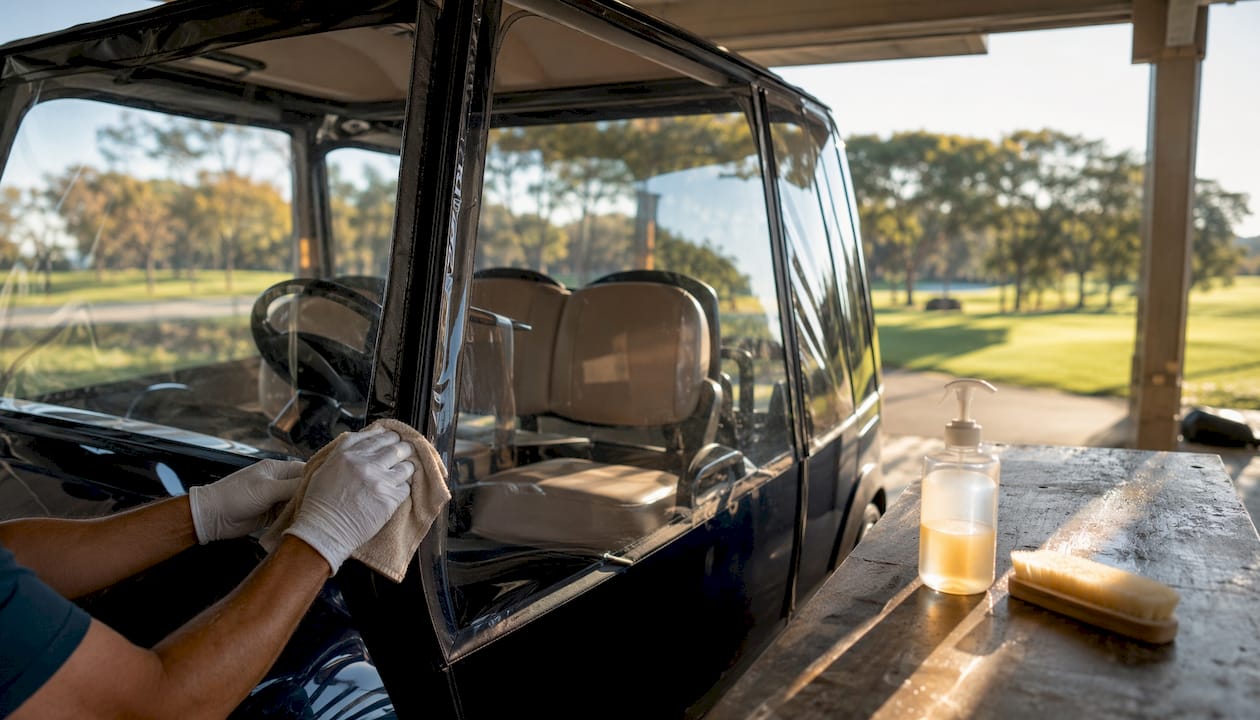
Cleaning and storing enclosures correctly extends both the enclosure’s life and the cart’s. Mild soap and water, complete drying before folding, and off-season storage away from direct heat keep fabric and PVC windows performing for multiple seasons.
Pro Tip: Match your enclosure material to your climate. In humid coastal areas, prioritize mold-resistant fabric and sealed seams. In dry, high-UV regions, marine-grade PVC windows and UV-stabilized fabric matter more than waterproofing alone.
Not all enclosures are built the same way, and the style you choose affects fit, durability, and how easy it is to get in and out.
Over-the-top (universal soft enclosures) slip over the existing roof and frame without tools. They’re the most affordable option and work on most standard 2-passenger and 4-passenger carts. The tradeoff is a looser fit that can flap in strong wind.
Track or custom-fit enclosures attach to a channel mounted on the roof edge, giving a tighter seal and better wind performance. They cost more and require a one-time track installation, but they’re the right call for heavy use, highway transport, or anyone who wants a clean, professional look.
Long-roof 4-passenger enclosures are built for extended-roof carts that carry rear-facing back seats. Standard enclosures won’t fit these carts — measure your roof length before buying.
Hard enclosures (fiberglass or ABS panels) offer the best insulation, security, and impact resistance. They’re common on commercial and rental fleets where durability outweighs cost.
Quick material comparison:
| Material | Best For | Key Advantage | Watch Out For |
|---|---|---|---|
| 600D Oxford + PVC backing | Year-round soft use | Heavy-duty waterproofing | Heavier than thinner fabrics |
| 210D–300D polyester | Light seasonal use | Lower cost, lighter weight | Leaks in sustained rain |
| Marine-grade clear PVC (windows) | All climates | Clarity, UV and scratch resistance | Scratches if wiped dry |
| Fiberglass / ABS (hard shell) | Commercial, cold climates | Insulation, security, durability | Higher cost, permanent install |
Getting the fit right is the single most important step. A universal enclosure that’s two inches too short on the roof will leak at the seams and flap at speed, no matter how good the fabric is.
Fit checklist before you buy:
Usage and budget tiers:
Tool-free, slip-on designs are common for universal soft enclosures, but custom or track systems deliver better wind performance for heavy use. Before purchasing, ask the seller about the return policy, fit guarantee, and whether the warranty covers seam failure and zipper defects.
Most universal soft enclosures go on in under 30 minutes without tools. Here’s the basic flow:
For care, use mild soap and water on fabric panels. Avoid solvents, bleach, or abrasive scrubbers on PVC windows — they cloud the material permanently. Always dry the enclosure completely before folding it for storage.
Off-season storage tips:
If you’ve added performance upgrades like a higher-speed motor, note that increased speed raises wind load on the enclosure. Verify your enclosure’s anchoring is rated for the higher speeds before riding.
Golfcartstuff is a specialist retailer of golf cart parts and accessories for EZGO, Club Car, and Yamaha carts. The site’s fit guides and enclosure resources are built around real cart model compatibility, not generic advice.
The material specs referenced throughout this article — 600D Oxford fabric, marine-grade PVC windows, denier ratings — come directly from manufacturer product pages and industry-standard specifications used by retailers and enclosure makers.
Enclosures that list specific cart model compatibility and include marine-grade PVC windows and welded seams consistently outperform generic “fits all” products in weather resistance and longevity. Spec details matter more than price alone.
Trust signals to look for when buying:
A golf cart enclosure protects passengers, extends your riding season, and reduces maintenance costs — making it one of the highest-ROI upgrades for regular cart owners.
| Point | Details |
|---|---|
| Weather protection is the core benefit | Enclosures block rain, wind, UV, and cold from passengers and interior components. |
| Season extension is real | Owners in temperate climates gain weeks to months of additional riding time with the right enclosure. |
| Maintenance savings justify the cost | Protecting seats, electronics, and wiring from UV and moisture can prevent repairs that cost more than the enclosure itself. |
| Material specs determine performance | 600D Oxford fabric with PVC backing and marine-grade windows outperform thinner fabrics in sustained weather. |
| Golfcartstuff carries enclosure-compatible accessories | Browse the accessories collection for parts and components that pair with your enclosure and cart model. |
Most cart owners wait until a seat cracks or a rainstorm soaks the interior before they start shopping for an enclosure. That’s the wrong order. The damage that accumulates from a single wet season — mold in seat foam, corrosion on battery terminals, UV haze on the dash — often costs more to fix than a mid-range enclosure would have cost to prevent.
The one thing I’d push back on in the conventional buying advice: don’t default to the cheapest universal option just because it fits the budget. A 210D fabric enclosure that leaks in the second rainstorm teaches you nothing except that you should have spent $80 more. The mid-range 600D options with proper PVC windows are where the real value lives. They last multiple seasons, they actually keep the interior dry, and they’re still easy to install without tools.
The other overlooked detail: fit matters more than brand. An enclosure that lists your specific cart model — EZGO RXV, Club Car Precedent, Yamaha Drive — will always outperform a “universal” option that’s slightly too short or too wide. Measure your roof length, check the compatibility list, and buy the right size the first time.
Picking the right enclosure is step one. Step two is making sure the rest of your cart is ready to handle year-round use. Golfcartstuff carries golf cart accessories that pair directly with enclosure setups — mounting hardware, weatherproofing components, and model-specific parts for EZGO, Club Car, and Yamaha carts.
If you’re running a Club Car DS or a Yamaha G-series, check the Club Car DS parts and Yamaha parts collections for compatible components before you install. Measure your roof type and passenger capacity first, then browse by cart model to confirm fit. The right accessories make the difference between an enclosure that works and one that lasts.
Explore our store to see what our products and resources can do for you.

Leave a comment