
Your Cart Is Our Priority
Explore our store to see what our products and resources can do for you.

TL;DR:
- Upgrading golf cart lighting improves safety, visibility, and legal compliance for street use.
- LED headlights, taillights, turn signals, and light bars are popular options varying in cost and complexity.
- Proper installation and waterproofing are essential for reliable operation and increased resale value.
Most stock golf cart lighting does the bare minimum. If you’ve ever tried navigating a path after sunset or pulling your cart into a weekend gathering, you already know the factory setup falls short on both visibility and visual impact. Upgrading your lighting isn’t just about looks. It can mean the difference between a safe ride home and a dangerous one, and in many areas, it’s required by law before you can legally drive on public roads. This guide walks you through every major lighting upgrade option, compares them side by side, and helps you figure out exactly what your cart needs.
| Point | Details |
|---|---|
| LED upgrades preferred | LED lights enhance brightness, last longer, and use less energy than older halogens. |
| Mix functionality and flair | Combining safety-focused upgrades with accent lights gives the best result for style and compliance. |
| Street legal kits matter | Adding turn signals, brake lights, and reflectors is often needed for road use. |
| DIY possible, but tricky | Many upgrades are DIY-friendly, but correct wiring and weatherproofing are key for reliability. |
Before you spend a dollar, get clear on what you actually need. The best lighting upgrade for a cart used on a private course looks very different from one built for street use in a residential neighborhood. Knowing your goal upfront saves you time, money, and frustration.
Here are the key factors to evaluate before buying:
Common upgrade types include headlights, taillights, brake lights, turn signals, accent LEDs, underbody light kits, and light bars. Each serves a different purpose, and many owners end up combining two or three types for a complete setup. Choosing golf cart lights involves balancing all these factors against your specific cart model and intended use.
Pro Tip: Always look for plug-and-play kits first. They connect to your cart’s existing wiring harness without cutting or splicing, which dramatically reduces install time and the risk of mistakes.
With your criteria in hand, it’s time to look at what’s actually available. The market has expanded significantly, and there’s a solid option for every budget and use case.
Headlights are the most impactful upgrade for safety. Halogen headlights are affordable and familiar, but they run hot, drain more power, and burn out faster. LED headlights cost more upfront but pay off quickly. LED light kits offer longer life and lower power draw than halogens, making them the smarter long-term choice for most owners.
Taillights and brake lights are often bundled together. A combined LED unit handles both functions and is essential for any cart used near traffic or other vehicles.
Turn signals are a legal requirement in many areas and add a layer of communication with other drivers that stock carts simply don’t have.
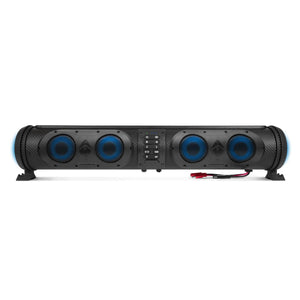
Light bars mount to the roof or front frame and deliver powerful, wide-angle illumination. They’re the brightest option available but may require additional wiring and a relay switch.
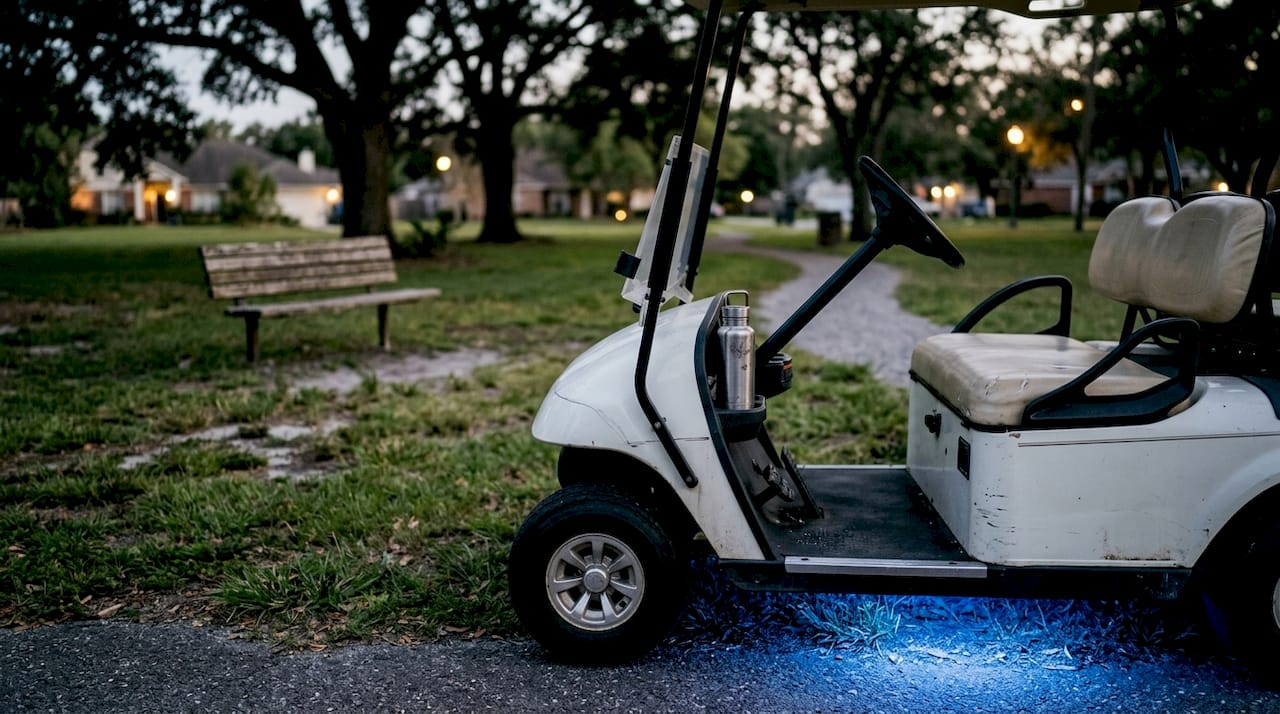
Underbody accent kits are purely about style. They add a glow beneath the cart chassis and are popular for events, parades, and personal expression.
| Upgrade type | Avg. cost | Install difficulty | Best use case |
|---|---|---|---|
| LED headlights | $40-$120 | Easy | Nighttime safety, road use |
| Taillights/brake lights | $30-$90 | Easy | Safety, compliance |
| Turn signals | $25-$75 | Moderate | Street legal compliance |
| Light bars | $60-$200 | Moderate to hard | Off-road, trail use |
| Underbody accent kits | $20-$80 | Easy | Style, events |
For a deeper look at how these products perform in real conditions, the guide on best LED light kits covers top-rated options. You can also review light kit safety considerations before purchasing.
Pro Tip: Underbody LED kits are a low-stakes, high-reward upgrade. They don’t affect your safety lighting at all and can completely transform how your cart looks at night events.
Now that you know your options, see how the most popular lighting upgrades stack up against each other in practical terms.
| Feature | LED headlights | LED taillights | Accent/underglow LEDs |
|---|---|---|---|
| Brightness | High | Moderate | Low (decorative) |
| Energy use | Low | Low | Very low |
| Style impact | Moderate | Low | High |
| Street legal value | Essential | Essential | None |
| Avg. lifespan | 30,000+ hours | 30,000+ hours | 20,000+ hours |
The right combination depends entirely on how and where you use your cart. Night road driving demands quality headlights and taillights above everything else. Parades, events, and personal style upgrades are where accent lighting and underglow kits shine.
Upgraded headlights can be critical for safe night driving, especially on roads shared with full-size vehicles.
Here’s why mixing lighting types gives you the best overall result:
Exploring the full range of golf cart light types helps you build a setup that covers all three priorities without overspending.
Beyond looks and safety, legal compliance matters if you want to drive on public roads. Street legal requirements for golf carts vary by state and municipality, but most share a common core list of required lighting.
Essential lighting for street legality typically includes:
Here’s how to confirm your cart meets the requirements in your area:
The number of street legal golf carts on public roads has grown steadily as more communities open their streets to low-speed vehicles. Many areas now require turn signals and brake lights for street operation, and enforcement is increasing in popular golf cart communities. Review the full breakdown of lighting for street legality to make sure your setup checks every box.
Once your lighting is upgraded, issues can still arise. Knowing how to diagnose and fix common problems keeps your cart running safely and saves you from unnecessary repair costs.
Follow these steps when something goes wrong:
Incorrect wiring is a common source of problems after upgrades, so reviewing your install against the wiring diagram before troubleshooting saves a lot of guesswork. The light relay wiring tips guide is a great resource if your cart uses a relay-based lighting system.
For ongoing maintenance, keep these habits:
Pro Tip: Apply dielectric grease to every electrical connection during installation. It creates a moisture barrier that prevents corrosion and keeps connections solid for years.
Most owners come to us focused on one thing: brightness or style. Both are valid, but they’re not the whole picture. The upgrades that genuinely transform a cart long-term are the ones that balance safety, quality installation, and resale value together.
Here’s the uncomfortable truth: a poorly installed premium light kit performs worse than a mid-range kit installed correctly. Wiring shortcuts, skipped grounds, and ignored waterproofing turn a great product into a recurring headache. The quality of your install matters as much as the product itself.
We’ve also seen owners piece together components from multiple sources to save money, only to spend twice as much troubleshooting compatibility issues. A complete kit from a single manufacturer is almost always the better move. Everything is designed to work together, and the instructions actually apply to what you bought.
Finally, don’t underestimate what a clean, well-executed lighting setup does for resale value. A cart with proper LED headlights, working turn signals, and clean accent lighting sells faster and for more money than a stock cart. Check out lighting installs and FAQs if you want to go deeper on getting the install right the first time.
You’ve done the research. Now it’s time to put it into action with parts that actually fit your cart and your goals.
At Golf Cart Stuff, we carry a wide selection of lighting upgrades for the most popular cart models on the market. Whether you need a full street legal kit or just want to add some underglow flair, you’ll find exact-fit options in our golf cart accessories collection. Club Car owners can browse dedicated Club Car DS parts, and EZGO owners will find everything they need in our EZGO golf cart parts section. Shop by model, filter by upgrade type, and get your cart looking and performing exactly the way you want.
Headlights, taillights, brake lights, turn signals, and reflectors are typically required for street legal operation, but your local laws determine the exact specifications. Always verify with your state or municipality before driving on public roads.
Yes. LEDs offer longer service life and lower power consumption than halogen bulbs, making them the preferred choice for both electric and gas-powered carts.
Wiring mistakes frequently cause lighting issues like flickering or complete failure after an upgrade. Double-check every connection and compare your work against the wiring diagram before testing.
Plug-and-play kits simplify installation enough for most DIYers to handle confidently. If your upgrade involves custom wiring, relays, or light bars, consider having a professional handle the electrical work.
Explore our store to see what our products and resources can do for you.

Leave a comment